Introduction
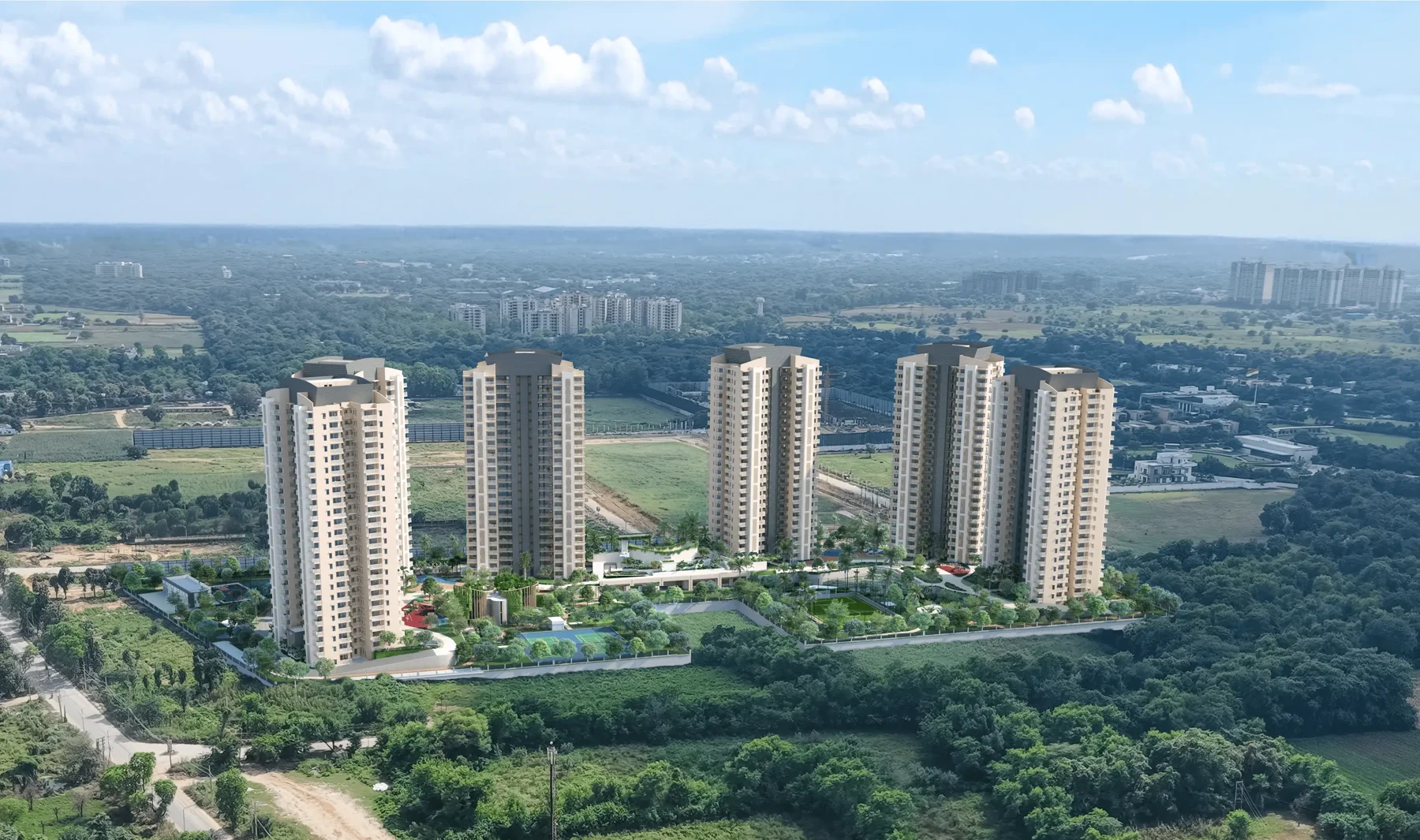
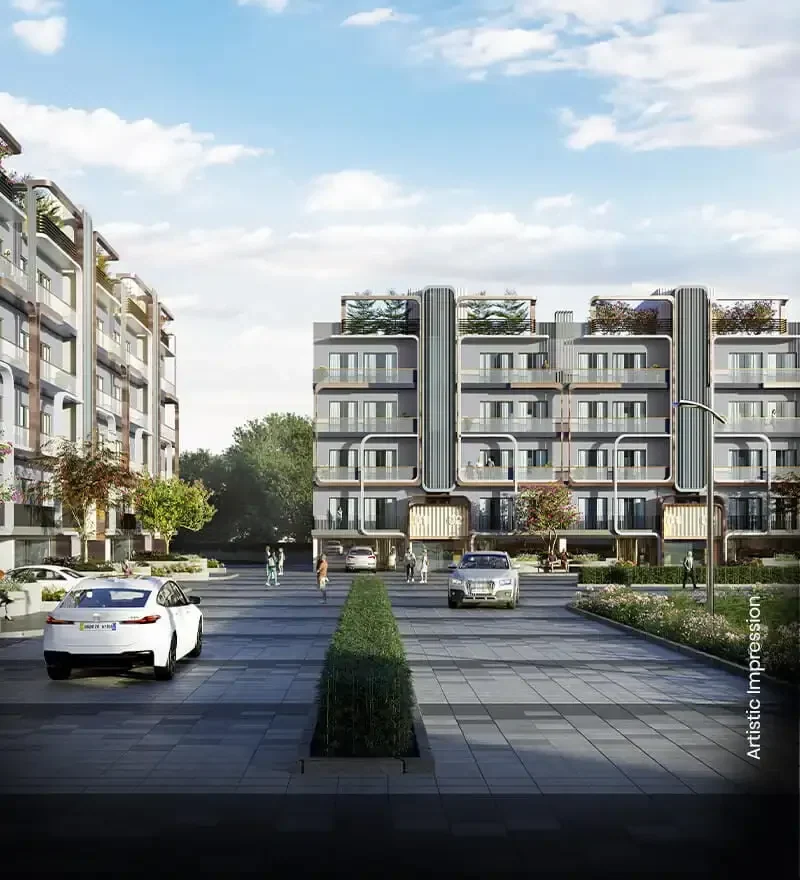
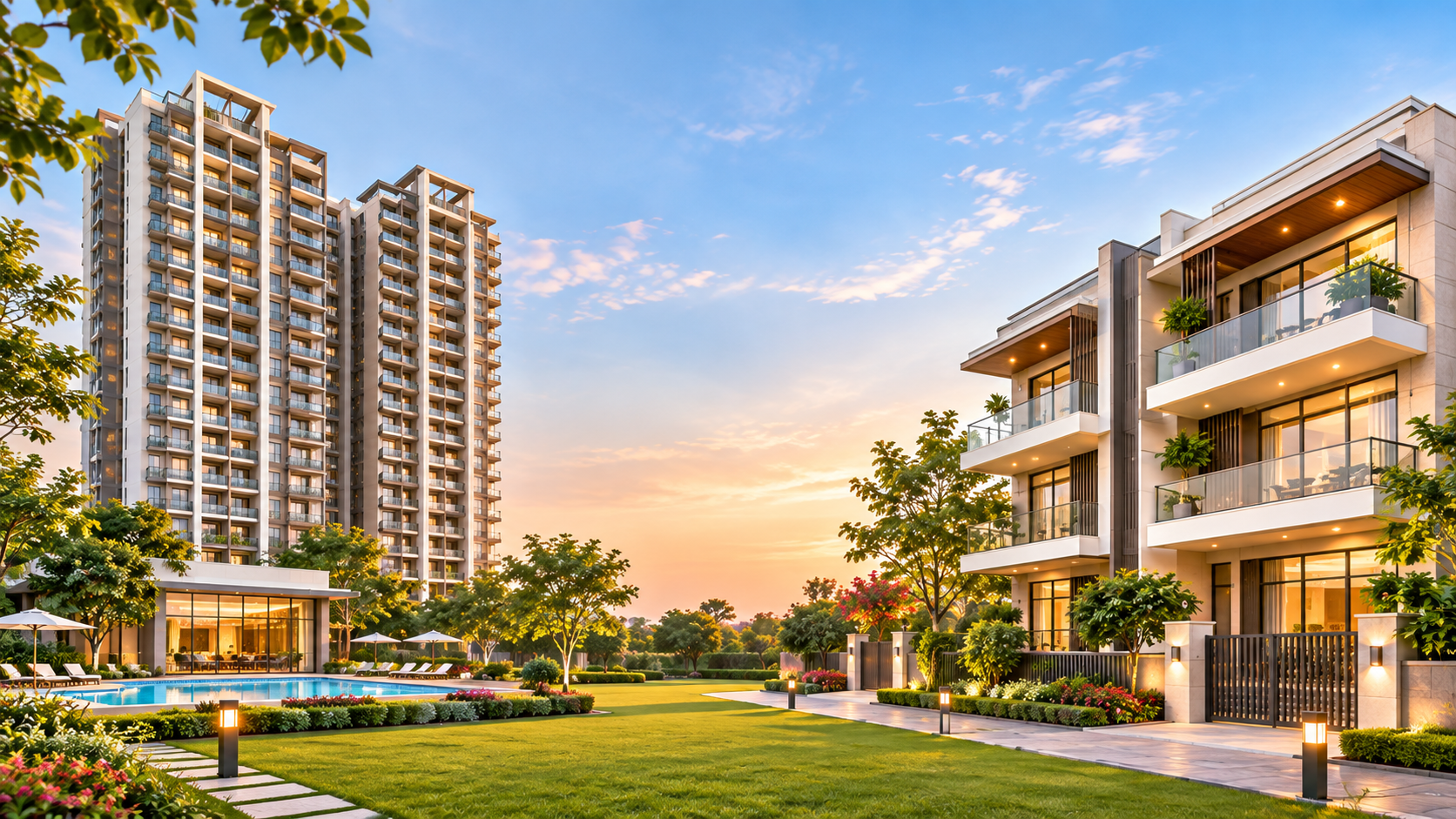
In Gurugram, homebuyers frequently compare two appealing options: a high-rise apartment in a managed residential community and an independent floor in a smaller, low-rise building. Neither format is automatically better. A family's ideal choice depends on its daily routine, tolerance for recurring costs, preference for privacy, and comfort with shared facilities.
The right comparison is not simply “tower versus floor.” It is the specific home, building, documentation, street and neighborhood you will live with for years. Use this guide to make that comparison more systematic.
1. First, understand what the ownership includes
A high-rise apartment is generally a dwelling within a multi-unit building with common areas and shared services. An independent or builder floor is typically a separate residential unit in a lower-rise building on a plotted site. The words “independent floor” do not, by themselves, mean exclusive ownership of the entire land parcel.
For each option, ask for the title documents, sanctioned building plan, unit identification, parking allocation and the agreement describing undivided land share or rights in common spaces, where applicable. Have a qualified property lawyer confirm the actual ownership structure rather than relying on a marketing label.
2. Privacy and community feel are different
Independent floors can appeal to buyers who prefer a smaller number of neighboring households, more direct access and a quieter building environment. However, privacy depends on the floor's orientation, stairwell design, entrance, adjacent plots and traffic on the street—not simply on the building's height.
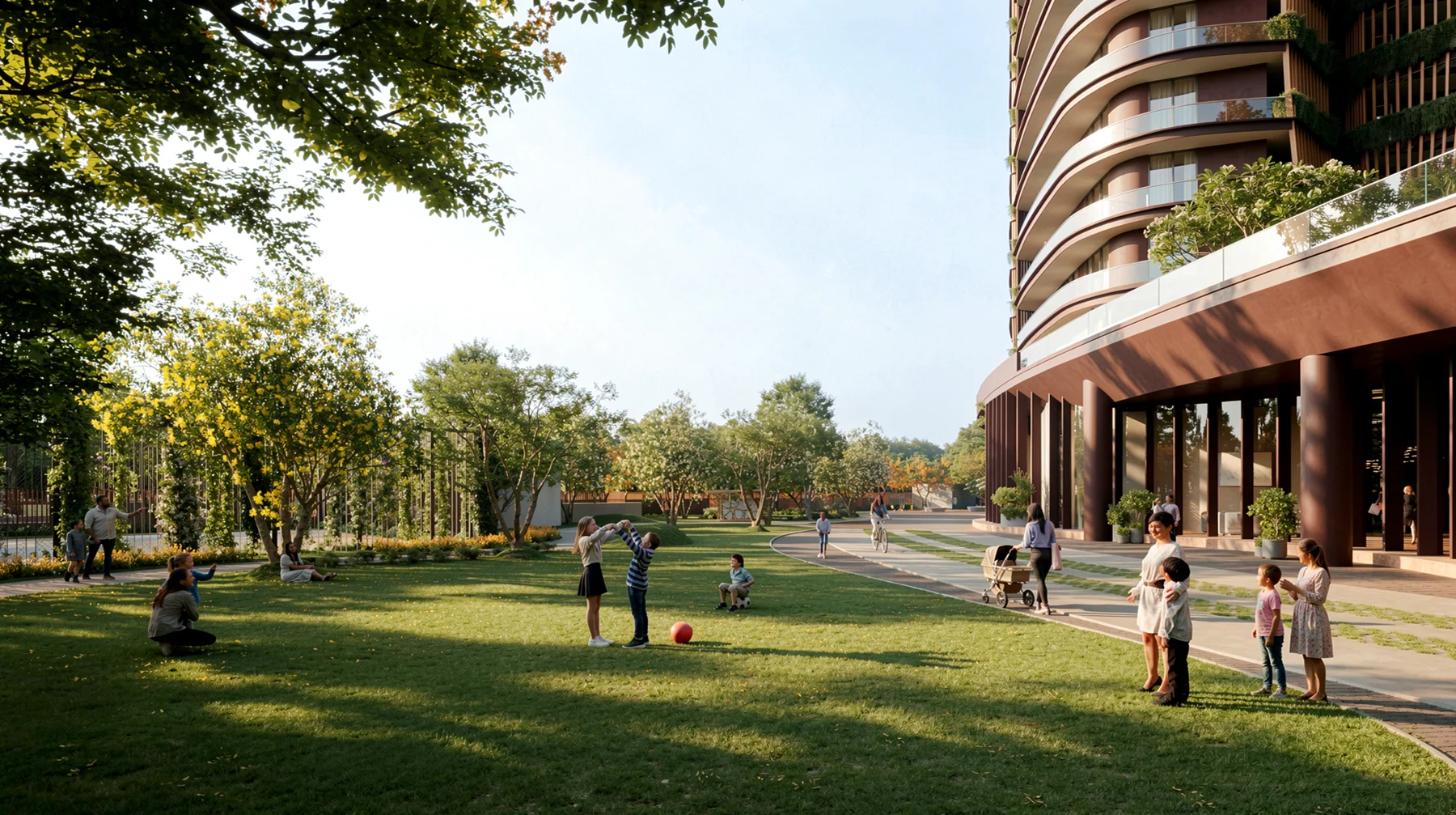
High-rise communities may offer larger shared social spaces and more opportunities to meet neighbors. The trade-off can be busier common areas, multiple households sharing lifts, and rules for the use of common facilities. Visit both property types at a typical evening hour and assess the atmosphere yourself.
3. Compare facilities you will actually use
A high-rise project may have a staffed entrance, shared security systems, power backup, lifts, a clubhouse or recreational amenities. An independent floor may offer a more straightforward building setup with fewer facilities to pay for. But not every high-rise has every amenity, and some low-rise communities offer substantial shared facilities too.
Ask which amenities are completed, operational, included in the purchase and accessible under which conditions. If you rarely use a pool or gym, do not give those features the same importance as dependable water, electricity, lift access and waste management.
4. Parking and everyday access deserve a site visit
For families with two vehicles, elderly parents or young children, access can matter as much as square footage. Check the exact parking space you will receive, turning radius, visitor parking, vehicle entry during rush hour and whether the allotted space is shown in documents.
In a high-rise, test travel time from the gate to the apartment and understand lift availability during peak periods. In an independent floor, inspect the staircase or lift, shared entrance, stilt parking and the road outside. Never assume that an open stilt area can be legally converted to another use.
5. Judge usable space, not just the advertised area
A spacious floor plan can feel very different in person. Compare the usable dimensions of bedrooms, kitchen, utility spaces, storage, balconies and circulation paths. Consider sunlight, cross-ventilation, noise, views and neighboring construction.
Where RERA's carpet-area definition applies, it refers to the net usable floor area of the apartment under Section 2(k) of the Real Estate (Regulation and Development) Act, 2016; certain balcony, external-wall and other areas are treated separately. Confirm which area measure the seller is quoting and request a dimensioned plan for the precise unit.
6. Include recurring maintenance and future repairs
A home is not just a purchase price. A high-rise can involve regular common-area maintenance, lift servicing, security, landscaping and other society charges. A smaller building may have fewer common services, but owners can still face expenses for lift repairs, waterproofing, paintwork, structural maintenance or shared systems.
Request a written estimate of maintenance charges, any deposit or corpus contribution, utility arrangements and who decides major repairs. For an independent floor, establish how expenses are shared among floor owners. Build a monthly housing budget that includes these costs alongside any home-loan EMI.
7. Treat approvals and structural safety as non-negotiable
For either property type, verify the applicable approvals and completion or occupancy documentation where required. Inspect fire-safety arrangements, emergency access and maintenance records appropriate to the building. Independent-floor buyers should pay particular attention to the sanctioned number of dwelling units, floor count, setbacks, parking use and the floor actually being sold.
Gurugram's stilt-plus-four (S+4) rules have faced litigation and administrative changes in 2026. Reporting from October 19, 2026 described the Punjab and Haryana High Court's April 2 stay on the revived policy, alongside the state's position that previously granted permissions cannot simply be treated as all invalid. Do not assume that a proposed additional floor will receive approval, or that every existing floor is unlawful. Obtain the particular property's sanctioned plans and current status from the competent authority, and get independent legal advice before paying a booking amount.
8. Location and daily travel can outweigh the building format
Compare the real journey to your workplace, school, healthcare and relatives—not merely a developer's map. Test the drive at morning or evening peak hours. Check approach roads, waterlogging risk, access to groceries and public transport, and how the surrounding area functions after dark.
An independent floor on the right street might suit one household better than a high-rise farther away, while another family may prefer the services and managed common areas of a larger community. Your travel routine should help decide the winner.
9. Make a short decision scorecard
Rate each shortlisted home from 1 to 5 on six factors: daily commute, usable layout, privacy, safety and approvals, total ownership cost, and upkeep. Weight the criteria that matter most to your family. For example, a household with elderly parents may prioritize lift reliability and emergency access; parents of young children may place more weight on play areas and nearby schools.
Compare at least one high-rise apartment and one independent floor in the same broad budget, and review the exact unit documents before deciding. A headline price comparison is not meaningful unless you also account for the likely all-in cost, financing terms and ongoing charges.
Frequently asked questions
Is an independent floor always more private? Not necessarily. Privacy depends on the building's layout, adjacent properties, occupancy and street conditions.
Is a high-rise always more expensive to maintain? Not necessarily. Costs depend on the services provided, the number of residents sharing them and the condition of the building. Compare actual budgets.
Can I assume a fourth-floor unit in Gurugram is approved? No. Check the property-specific sanctioned building plan, current permissions and relevant orders with the competent authority; do not rely on a general claim about S+4 rules.
Need help shortlisting in Gurugram or Sohna?
Golden Key Infratech helps homebuyers explore residential options in Gurugram and Sohna. Share your preferred location, budget, family needs and possession timeline, and ask for a side-by-side comparison of suitable properties. Always verify project documentation, pricing and availability at the time of inquiry.